Table of Contents
- Introduction
- What Are At Home Medical Services
- Why Patient Satisfaction Matters in Healthcare
- Convenience and Accessibility
- Personalized Attention and Comprehensive Assessments
- Continuity of Care and Better Communication
- Reducing Stress and Anxiety for Patients
- Family Involvement and Support
- Supporting Recovery and Chronic Care Management
- Key Benefits of At Home Medical Services
- Integrating Home Medical Services into Healthcare
- FAQs
- Conclusion
Introduction
Patient satisfaction has become a major indicator of healthcare quality. While clinical outcomes remain essential, the way care is delivered also plays a critical role in shaping how patients perceive their healthcare experience. Long waiting times, crowded clinics, limited appointment availability, and rushed consultations can often leave patients feeling frustrated or overlooked.
At home medical services provide a more patient-centered alternative. By bringing healthcare directly into the home environment, these services improve convenience, communication, and comfort. As a result, patients often report higher satisfaction levels, stronger trust in healthcare providers, and greater engagement in their care plans.
What Are At Home Medical Services?
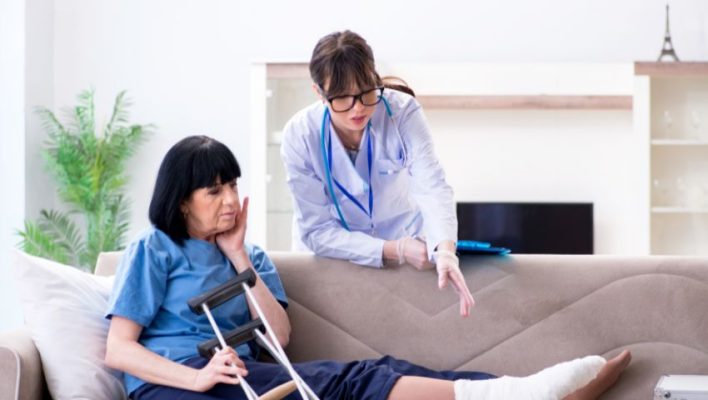
At home medical services refer to healthcare delivered directly in a patient’s home instead of a hospital or clinic. These services may include physician consultations, nursing care, diagnostic testing, rehabilitation therapy, medication management, and wellness monitoring.
Home-based care allows medical professionals to assess patients in their everyday environment. This perspective often reveals lifestyle factors, mobility challenges, or environmental influences that might not be visible during traditional clinic visits. By understanding the patient’s surroundings, providers can deliver more relevant and personalized care.
Why Patient Satisfaction Matters in Healthcare?
Patient satisfaction is closely linked to treatment adherence, trust in healthcare providers, and long-term health outcomes. When patients feel respected, understood, and supported, they are more likely to follow medical advice and remain engaged in preventive health practices.
Healthcare experiences that prioritize patient comfort and communication also strengthen relationships between providers and patients. Positive experiences build confidence in the healthcare system and encourage individuals to seek medical attention earlier when concerns arise.
Convenience and Accessibility
Convenience is one of the most visible advantages of at home medical services. Patients can receive professional medical attention without traveling to a clinic, navigating busy waiting rooms, or adjusting their schedules around limited appointment slots.
This convenience is particularly valuable for older adults, individuals recovering from procedures, people with mobility challenges, and busy professionals who may struggle to schedule traditional clinic visits. Easier access to care increases the likelihood that patients will maintain regular check-ups and follow-up appointments.
Personalized Attention and Comprehensive Assessments
At home medical visits often allow healthcare providers more time to interact with patients. Without the high patient volume common in clinics, providers can perform more detailed assessments and engage in deeper conversations.
Doctors may review lifestyle habits, dietary patterns, medication routines, and recovery challenges in greater detail. This expanded understanding allows for more accurate diagnoses and tailored treatment plans that reflect the patient’s daily reality.
Continuity of Care and Better Communication
Effective communication is essential for maintaining patient satisfaction. At home services often support clearer communication through structured follow-ups, consistent care providers, and accessible communication channels.
Patients and family members can ask questions comfortably in their own home environment. This setting encourages open discussions about symptoms, treatment plans, and recovery expectations. As a result, patients gain a clearer understanding of their care plan and feel more confident managing their health.
Reducing Stress and Anxiety for Patients
Healthcare visits can sometimes be stressful. Traveling to medical facilities, navigating unfamiliar environments, and waiting for appointments may increase anxiety, particularly for children, older adults, and patients recovering from illness.
Receiving care in the comfort of home creates a calmer and more supportive atmosphere. Patients are surrounded by familiar surroundings and personal support systems, which helps reduce emotional stress. Lower stress levels contribute to better overall well-being and may positively influence recovery.
Family Involvement and Support
At home medical services naturally allow family members to become more involved in the care process. Relatives can observe consultations, help clarify treatment instructions, and participate in decision-making.
This involvement strengthens communication and ensures that care plans are understood and followed consistently. Family members can also monitor symptoms, assist with medication routines, and provide emotional encouragement during recovery.
Supporting Recovery and Chronic Care Management
Patients recovering from surgery, illness, or injury often benefit greatly from home-based medical support. Personalized care plans can be implemented more effectively when healthcare providers evaluate the patient’s living environment and daily routine.
For individuals managing chronic conditions, regular home visits help maintain consistent monitoring and early detection of potential complications. This proactive approach prevents unnecessary hospital visits and supports long-term health stability.
Key Benefits of At Home Medical Services
| Care Feature | Home Service Advantage | Patient Satisfaction Impact |
|---|---|---|
| Convenience | No travel or waiting rooms | Less disruption to daily routines |
| Personalized Attention | Longer consultations | Greater patient trust |
| Communication | Clear explanations and follow-ups | Improved understanding of treatment plans |
| Comfort | Familiar home environment | Reduced stress and anxiety |
| Family Participation | Inclusive care approach | Better adherence to care plans |
Integrating Home Medical Services into Healthcare
Healthcare systems are increasingly incorporating home-based services into their care models. Advances in telemedicine, mobile diagnostics, and coordinated care teams make it easier to provide high-quality medical services outside traditional healthcare facilities.
Providers who integrate home visits, remote monitoring, and structured follow-ups can deliver more comprehensive care while improving patient satisfaction. These services also help reduce pressure on hospitals and clinics by shifting appropriate care to the home environment.
FAQs
Who benefits most from at home medical services?
Older adults, individuals with mobility limitations, patients recovering from procedures, and people managing chronic conditions often benefit the most from home-based healthcare.
Are home medical services as effective as clinic visits?
Yes when delivered by qualified healthcare professionals home-based services can provide safe, effective, and highly personalized medical care.
Do at home services improve patient engagement?
Yes patients tend to feel more comfortable asking questions and discussing concerns in their own environment, which increases engagement and adherence to treatment plans.
Conclusion
At home medical services are transforming the healthcare experience by prioritizing convenience, comfort, and personalization. By bringing medical care directly to patients, these services remove logistical barriers and create stronger relationships between providers and patients.
As healthcare systems continue to evolve toward patient-centered models, home-based care will play an increasingly important role in improving satisfaction, supporting recovery, and delivering accessible high-quality healthcare.